If there's one thing the programming team heard over and over again as they worked on constructing the 2017 Fall Festival on the subject of BELIEF, it was–"Wow, yes, such a relevant topic!"
We're certain you have your own ideas about the timeliness of this theme, but here are just a few reasons that we find questions around belief and trust to resonate so strongly right now.
1) Political polarization in the US is growing even wider.
Anecdotally, many of us sense the partisan gap widening, but this is backed up by data. According to surveys conducted by Pew Research in summer 2017, the divide between the political values of Democrats and Republicans is now larger than at any point in Pew Research Center surveys dating back to 1994. Moreover, Republicans and Democrats have drastically different conclusions about the role of major institutions, including the media, universities, and religious organizations.
2) Trust in institutions and systems has imploded around the world.
It might sound dramatic, but Edelman Intelligence--a global insights and analytics consultancy--has not recorded such a broad decline in credibility and trust in government, business, NGOs, and the media since it began tracking in 2001. Conducted in 28 countries in 2016, Edelman's research reveals that two-thirds of the countries surveyed are "distrusters" (with trust levels below 50%). The 2017 Trust Barometer overall explores questions about people's perception of equality, confidence in leaders, hope for the future, and desire for change. 85% of respondents lack full belief in the system.
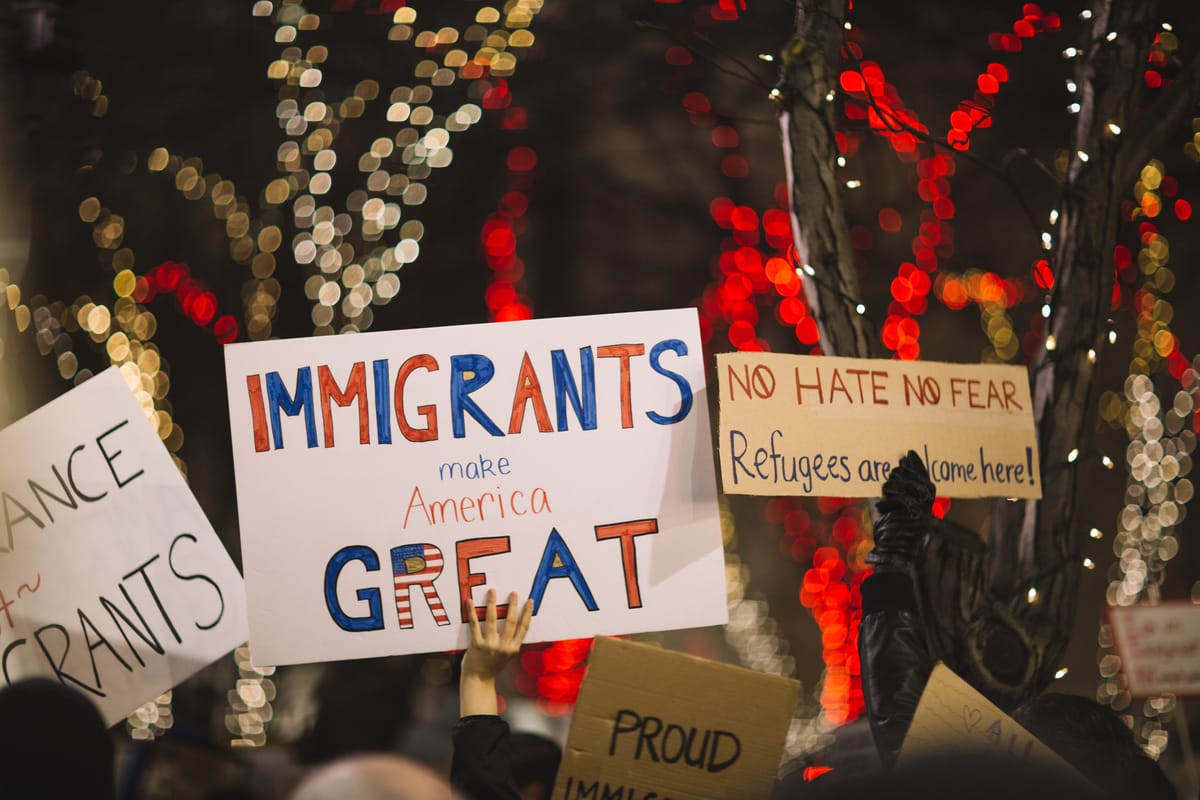
3) Standing up–or taking a knee–for what you believe in still sparks intense debate.
While there's a long history of athletes and other public figures using their platforms to protest or lead civic dialogue (see, for example, our upcoming program with Jonathan Eig on Muhammed Ali), at present it seems like the stakes of such public declarations have intensified. In February 2017, Pew Research conducted a poll revealing that 79% of Americans felt that the right to conduct nonviolent protests was essential for an effective democracy. But according to a recent Marist poll, just 48% of Americans think that kneeling during the national anthem is a respectful way to draw attention to racial disparity. Resistance in all its forms is complex, and Colin Kaepernick's protests and the subsequent NFL demonstrations represent the intersection of race, free speech, and particular notions about patriotism--not to mention Twitter's instantaneous feedback loop. Yet, despite what many people claim to believe about the right to protest, when asked about kneeling during the anthem or structural racism in particular, beliefs seem more malleable than resolute.
Become a Member
Being a member of the Chicago Humanities Festival is especially meaningful during this unprecedented and challenging time. Your support keeps CHF alive as we adapt to our new digital format, and ensures our programming is free, accessible, and open to anyone online.
Make a Donation
Member and donor support drives 100% of our free digital programming. These inspiring and vital conversations are possible because of people like you. Thank you!