President Grant loved an especially graphic breakfast, Ukiyo-e woodblock prints could be quite sexually explicit, and the earliest tattoos may have been from the 5th century B.C.. Plus, writing tips from George Saunders.
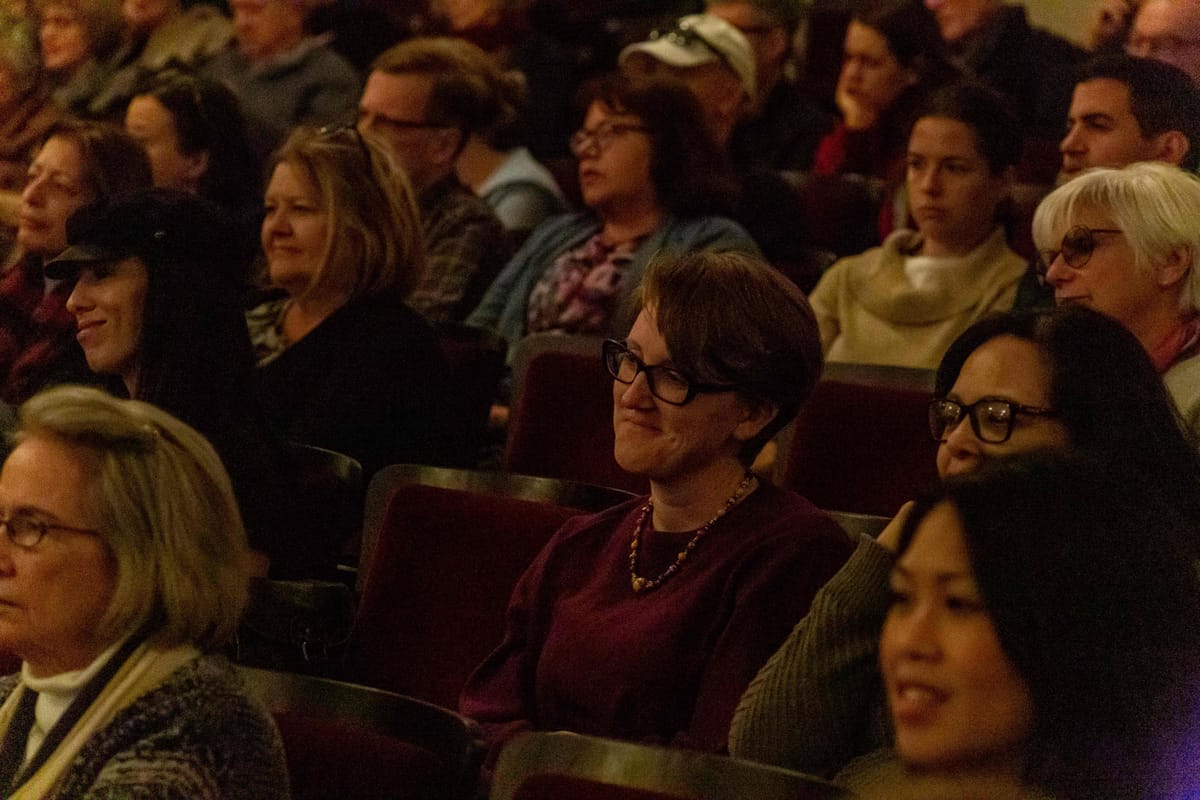
We started with Ron Chernow at the Symphony Center and finished the weekend with Jill Lepore at Northwestern. And in between these two powerhouse historians, we learned a lot, we teared up, we laughed, we raged, but above all, we connected–both to our generous presenters who answered questions, signed books, and posed for selfies with gusto, and to one another. And that’s what it’s all about.
1) Taking the long view of history is vital for understanding our present moment.
If you ask historians about the writing of history, we’d venture to guess that many will tell you that history is always present-minded. This weekend’s historical insights made this clear.
Ron Chernow shed new light on President Grant, reminding us that he’s the first president to govern after the 15th amendment. He had to repeatedly send armed troops to secure the right to the vote for African Americans in the south. Chernow proposed that racism is the great American virus we are still dealing with for generations, after Grant suppressed the first iteration of the Ku Klux Klan.
Daniel Greene dispelled some common myths about Americans during the Holocaust, and posited that we don’t seem to learn lessons after global genocides.
Steve Kornacki, on the media’s role in shaping contemporary politics: “What Gingrich saw as an opportunity in the cable news coverage of Congress, Trump found on Twitter.”
Rebecca Traister, though she doesn’t identify as a historian herself, credits them frequently: and in conversation with Brittney Cooper on Sunday reminded us that the history of labor struggles is actually a struggle of women, and especially women of color, citing the Lowell Mills strike from the 1830s, the Shirtwaist Strike of 1909, and other milestones in labor history.
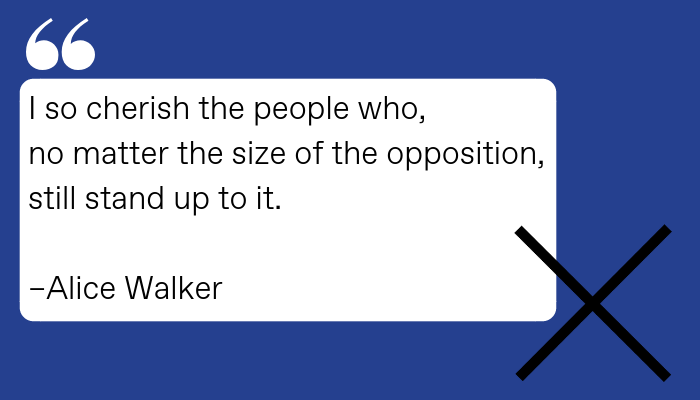
Jill Lepore reminded us that America was founded on a set of shared ideas, or the three truths of American history: “political equality, natural rights, and the sovereignty of the people.” But, Lepore underscores, “the unwritten truth is inquiry. Asking questions to get at the truth.”
2) There’s power in both speaking up and in taking the time for silence.
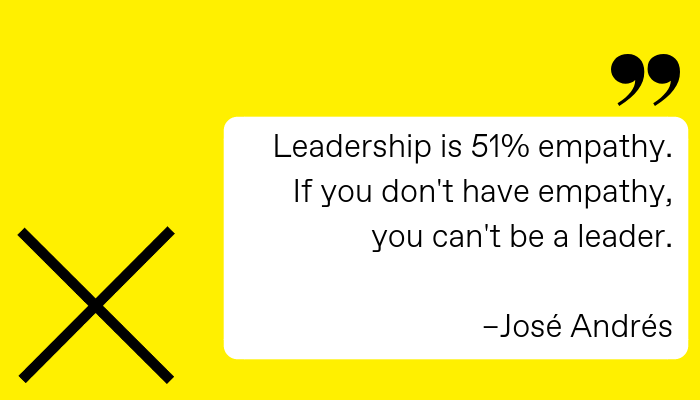
José Andrés spoke powerfully about the role of dialogue: “America has been built on immigrants. We're not going to solve the problems we have today by shutting people out. To me, restaurants should be a place of inclusion, where people from different backgrounds come together.”
In his lively lecture-performance, Jerry Saltz claimed forcefully: “I make art in my own voice and I speak the truth.”
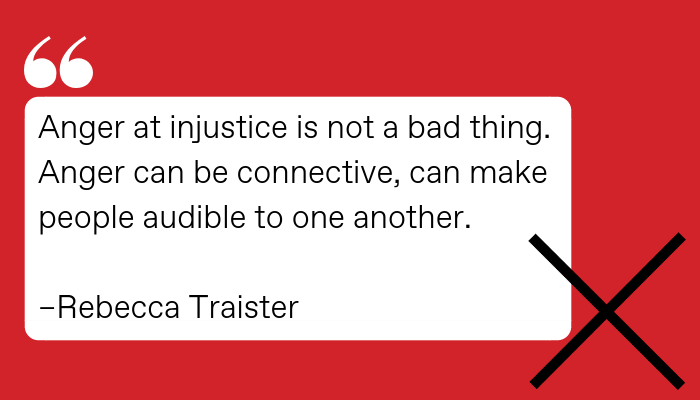
Rebecca Traister continued to advocate for turning anger about injustice into conversation and action, even if it’s uncomfortable: “If we deal with fear of talking about difficult issues by not talking, we're never going to get to the kind of diverse coalitions we actually need.”
And Alice Walker advocated for more silence, and inward reflection: “What our culture needs more than anything is silence...In the quiet you begin to develop what you have to offer.” To the students in the room, Walker advised, “What is your meaning in this life? I recommend that you sit with that long enough to know.”
Asked why she wrote a book about Chicago Public Schools, Eve Ewing answered, "I wanted to understand what made life inside of my classroom harder. I got tired of my colleagues asking me why is this happening. I became obsessed with finding out."
3) It’s important to find moments for joy and care, for ourselves and others.
José Andres on the pleasure–and the right–to a plate of hot food: "Even in dire circumstances, hot food gives people a sense of belonging, pride, hope, and a sense of feeling good.”
Trevor Paglen urged us to keep learning how to see differently: “How do we learn how to see the world around us? We see things all the time in art that help us learn how to see the moment in history...art that can give us a glimpse at what the works looks look like if it were run by different rules.”
Alice Walker spoke beautifully about her garden, her dog, how she loves to make fires…“not big fires!" She said, “I love living in the country, music, dancing, my friends. The wonder of nature. For people in deep struggle: nature is a support.”
Özge Samanci echoed this in her talk about art and the environment: "We are made of dying stars. We are an extension of the universe."
Asides, Observations, & Miscellany
True to the recap form, we’re also including some enjoyable asides, observations, and other miscellany from the first Fall Festival weekend:
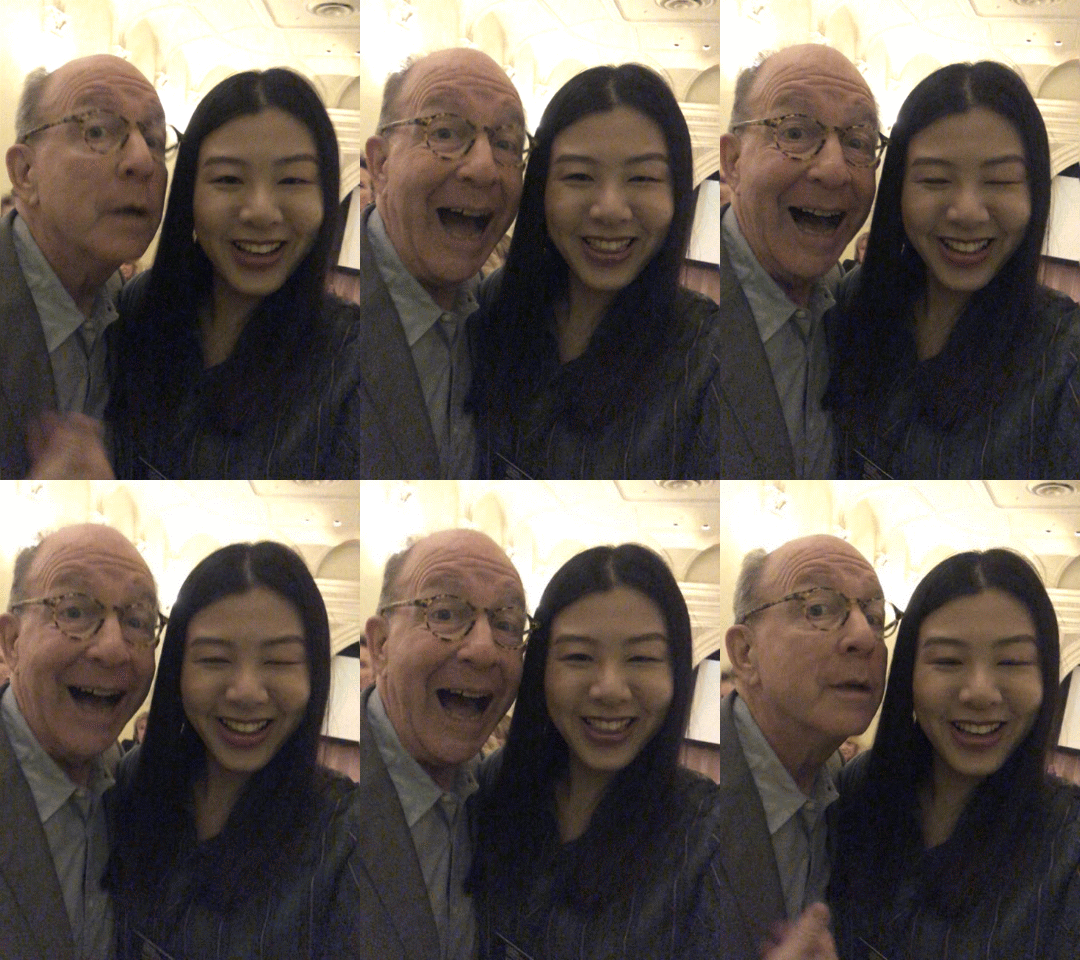
- Jerry Saltz demonstrating that he’s an enthusiastic selfie-taker, as seen above with our wonderful intern Yi Wang. Also, Saltz asking artists in the audience to raise their hands, and then encouraging other audience members to laugh at them–all in good fun.
- Ron Chernow, describing President Grant's favorite breakfast: Oysters soaked in vinegar, black coffee, and a cigar.
- José Andrés is “nutrient-rich”: “I try to always eat a salad. And I have a cigar at the end of the day. And I support the local economy with rum sours. I'm very nutrient-rich.” Andrés also recounted how he texted Anthony Bourdain from Puerto Rico after hurricane Maria, saying “maybe we should tell this story..?” Bourdain answered, “what are you waiting for?”
- Writing tips from George Saunders: “The great gift of revising literature is that specificity lands better." And “Writing, plotting, and revision is intuition applied at the moment of re-reading." And from Ron Chernow: “It takes about 50,000 words to warm up!”
- Lindsey Fitzharris describing how NPR producers loved having her as a guest, but then cut her story because it was too gross...it was about puss. “But,” she said to the crowd at Northwestern, “you’re a captive audience!”
- Jill Lepore’s banter with Eric Slauter: Lepore: You know when you’re writing a biography and you’re waiting for the person to die?
Slauter: Is America dead?
Lepore: Well we do have an illness... - Eve Ewing, on getting around the Northwestern campus in less-than-ideal weather: “ I know about walking through Chicago…but I’m in heels!”
- Mimi Ito dispelled the idea that mobile phones are inherently bad for youth: “For families with strong relationships with their children, we found that the mobile phone strengthens the relationship. For families with poor relationships, the phone divides the family.”
Reading List Inspiration from the first Weekend's Speakers
Grant by Ron Chernow
These Truths: A History of the United States by Jill Lepore
Good and Mad: The Revolutionary Power of Women's Power by Rebecca Traister
Lincoln in the Bardo by George Saunders
Taking the Arrow Out of the Heart by Alice Walker
Prairie Fires: The American Dreams of Laura Ingalls Wilder by Caroline Fraser
The Red and the Blue: The 1990s and the Birth of Political Tribalism by Steve Kornacki
Ghosts in the Schoolyard: Racism and School Closings on Chicago's South Side by Eve L. Ewing
We Fed an Island: The True Story of Rebuilding Puerto Rico, One Meal at a Time by José Andrés
The Butchering Art: Joseph Lister's Quest to Transform the Grisly World of Victorian Medicine by Lindsey Fitzharris
Marvelocity: The Marvel Comics Art of Alex Ross by Chip Kidd and Alex Ross
Sites Unseen by Trevor Paglen
Explore all the excellent Fall Festival books.
Become a Member
Being a member of the Chicago Humanities Festival is especially meaningful during this unprecedented and challenging time. Your support keeps CHF alive as we adapt to our new digital format, and ensures our programming is free, accessible, and open to anyone online.
Make a Donation
Member and donor support drives 100% of our free digital programming. These inspiring and vital conversations are possible because of people like you. Thank you!